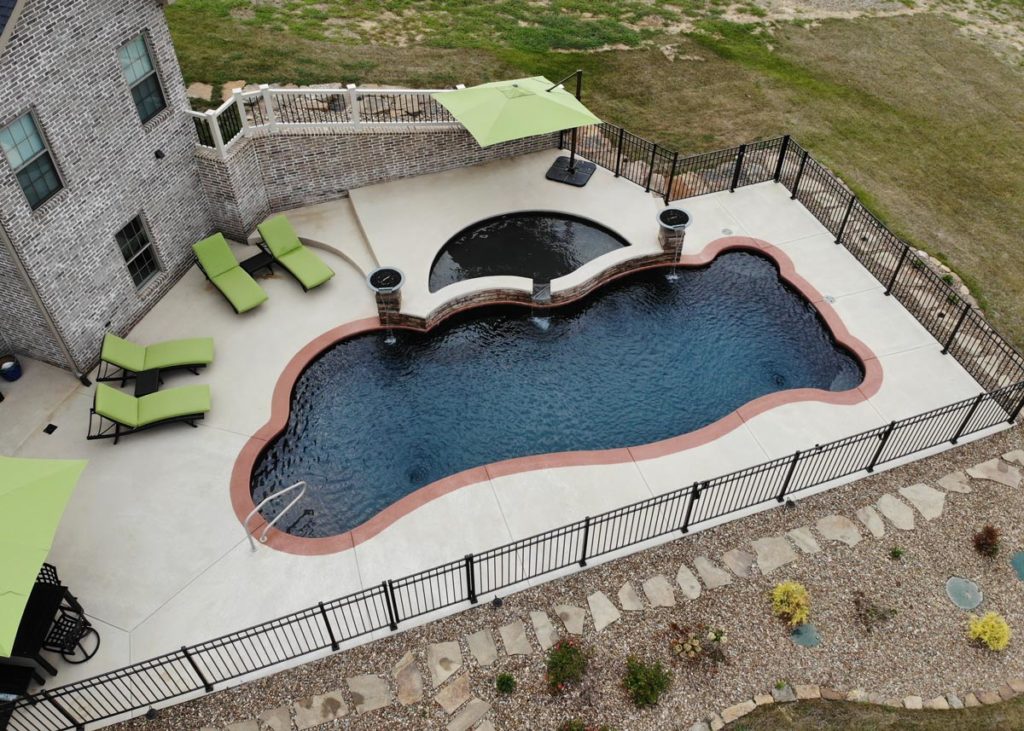
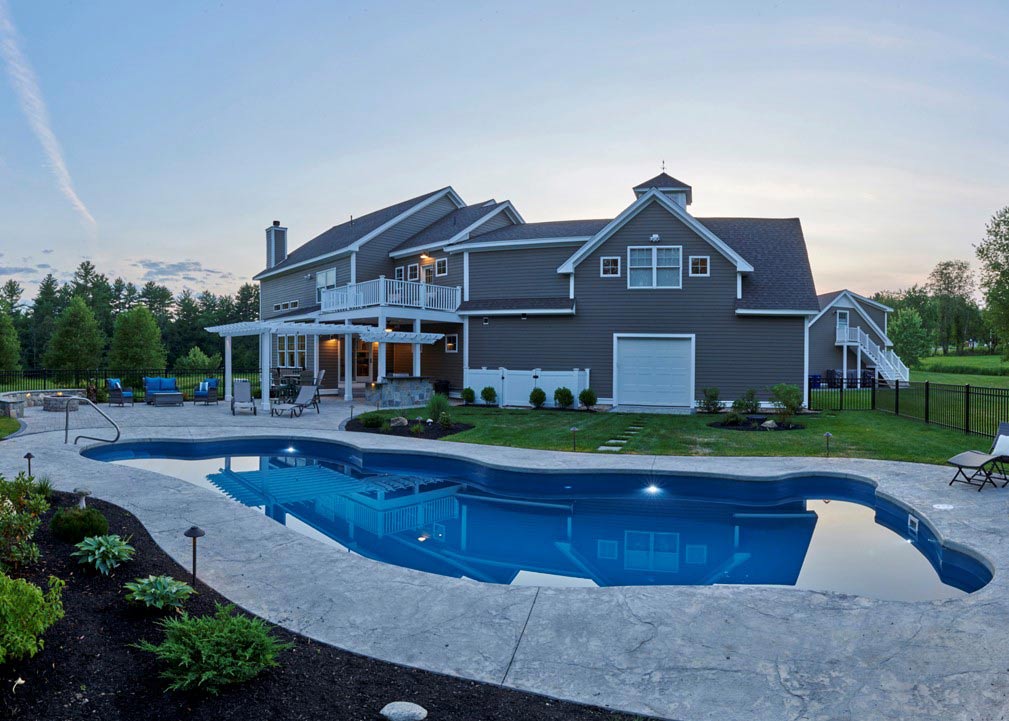
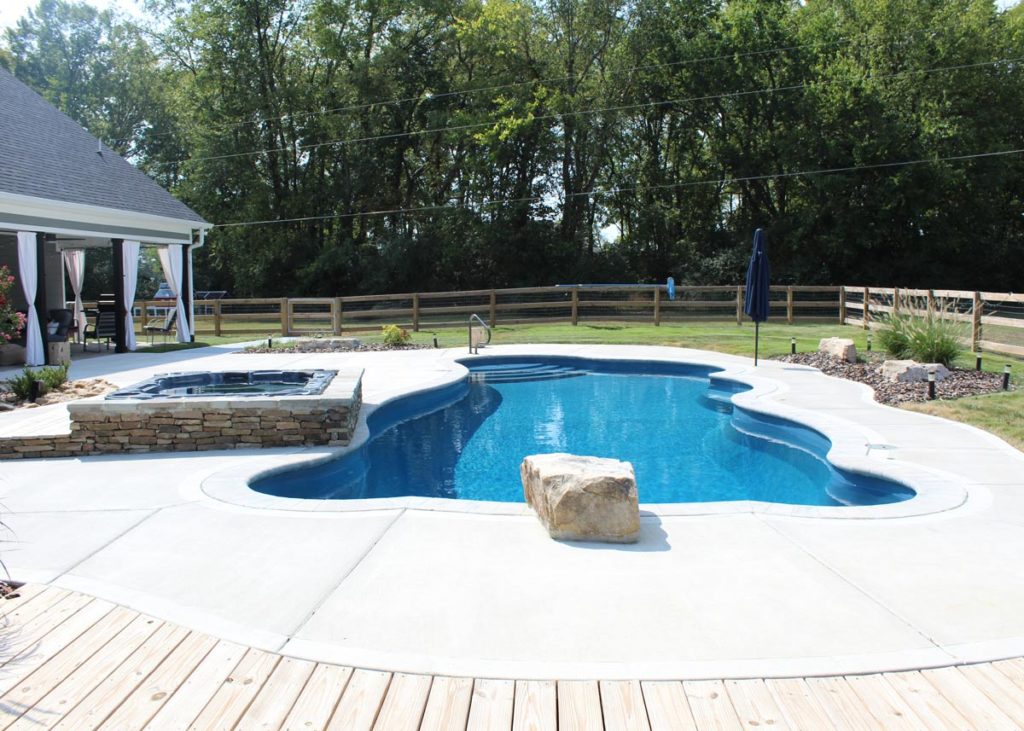
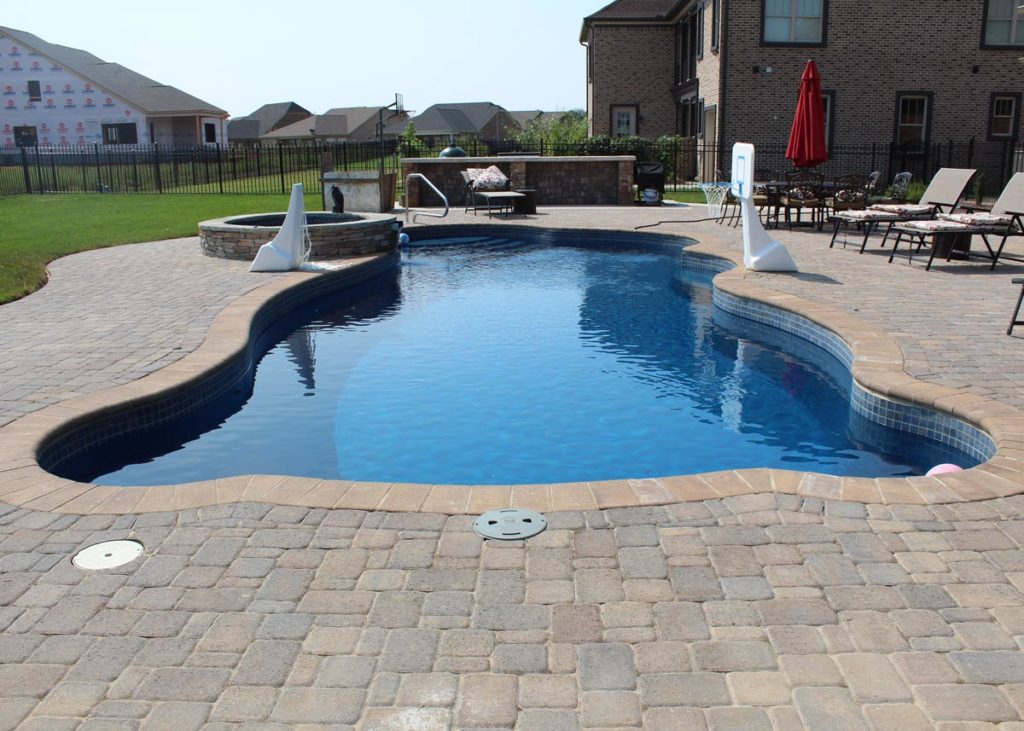
Shopping for a pool is a little like shopping for a house. Everyone wants “the best,” but what best means depends on your yard, budget, timeline, and how much maintenance you want to sign up for.
Below is a practical breakdown of the pros and cons of fiberglass pools, vinyl liner pools, concrete pools, and gunite pools, plus who each type is best for.
(Quick note: “Concrete” and “Gunite” are closely related. Gunite is a type of concrete pool construction method. We will explain both separately so you can see the differences clearly.)
1) Fiberglass Pools: The Low-Maintenance Favorite
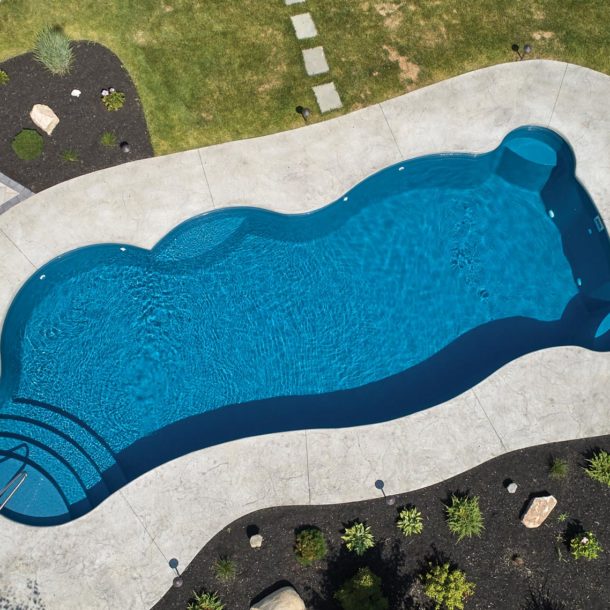
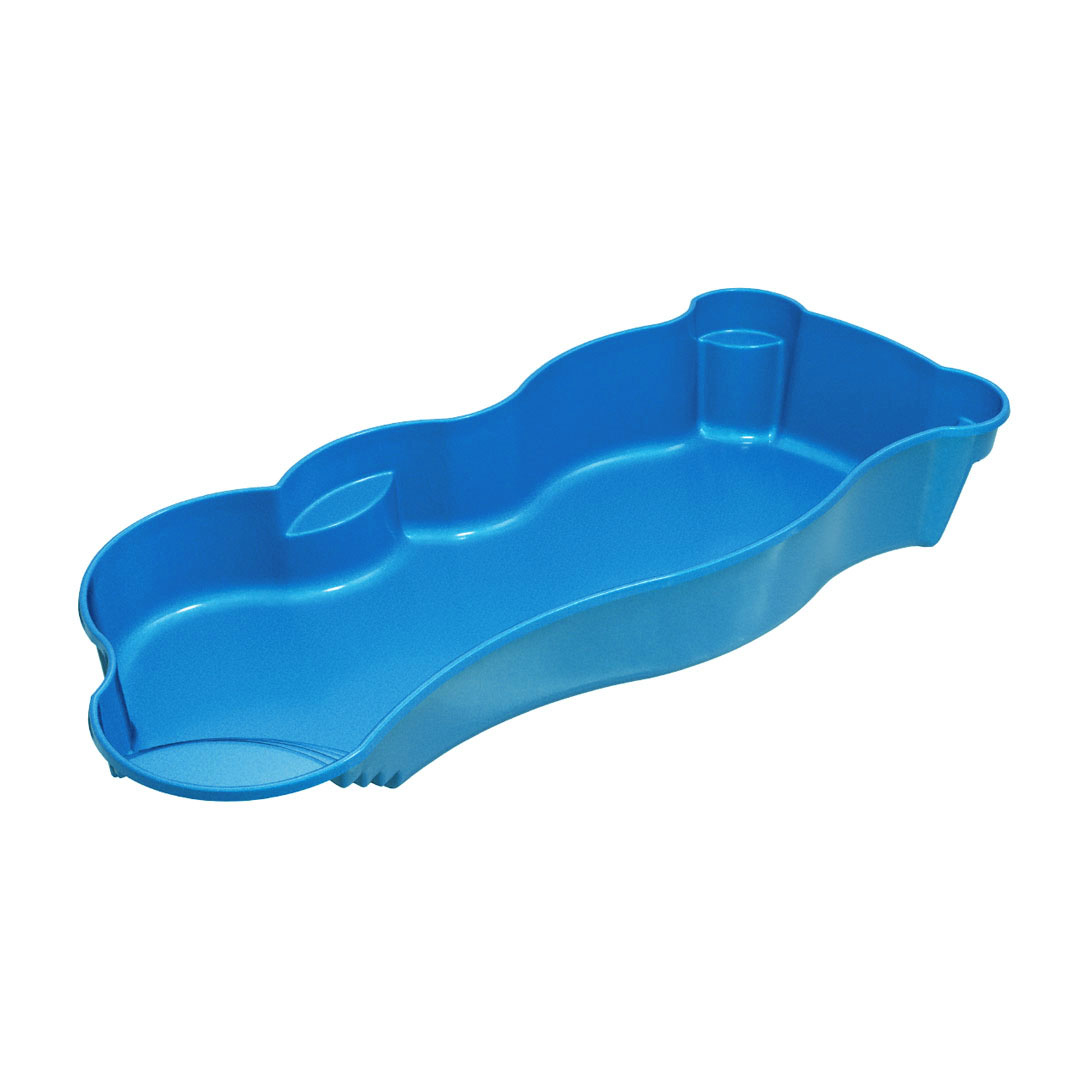
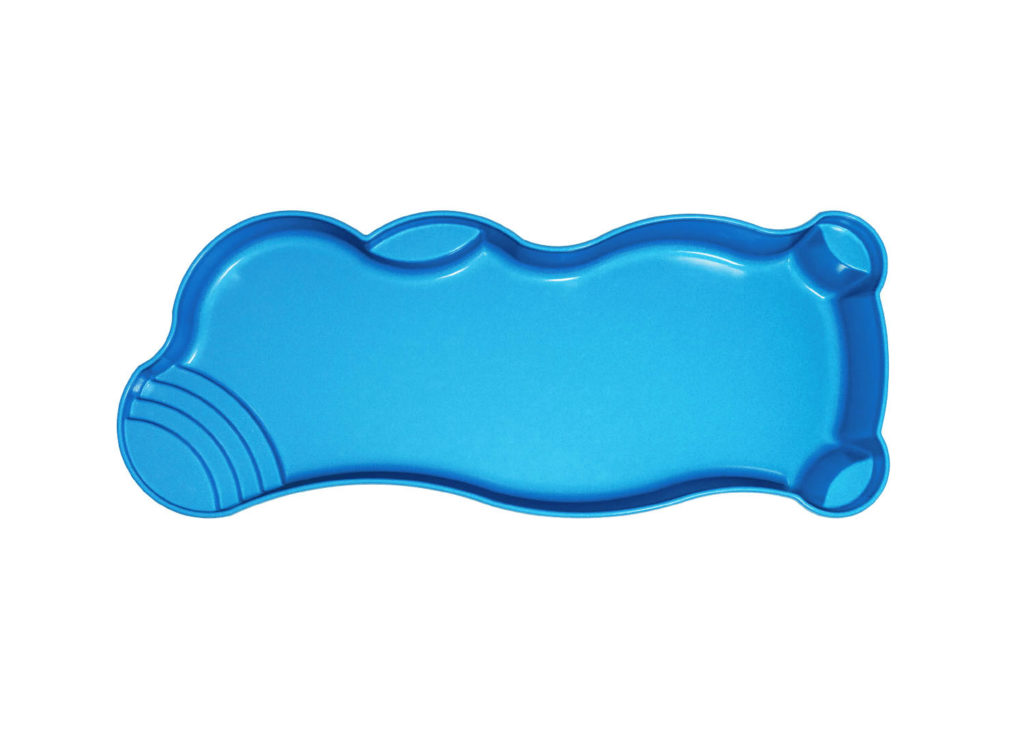
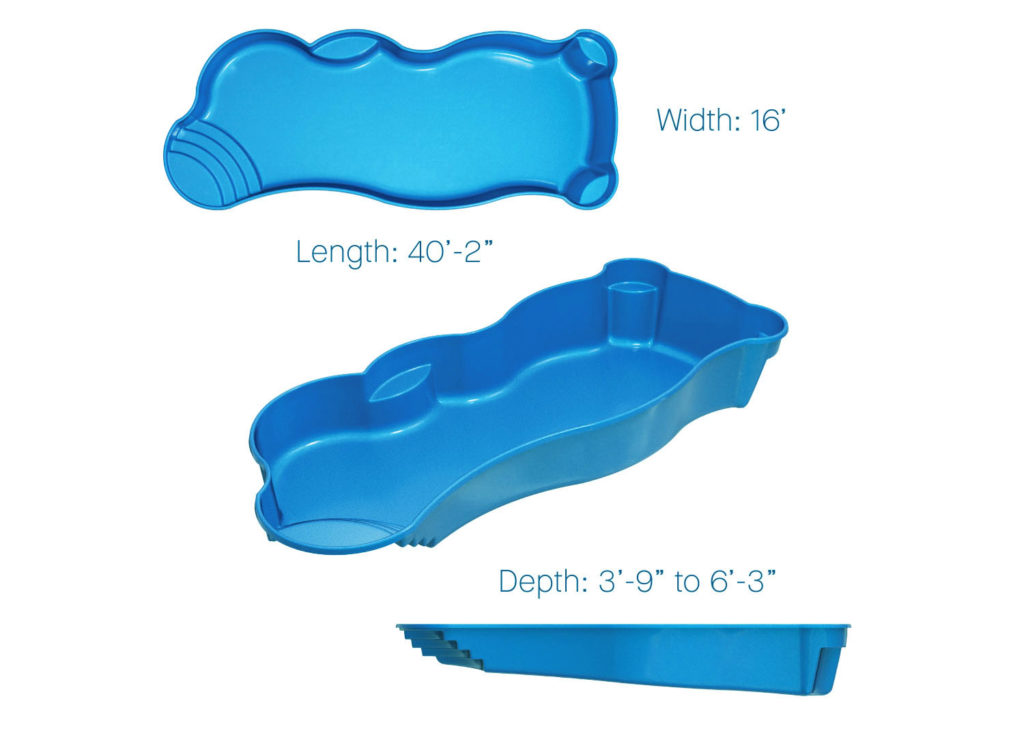
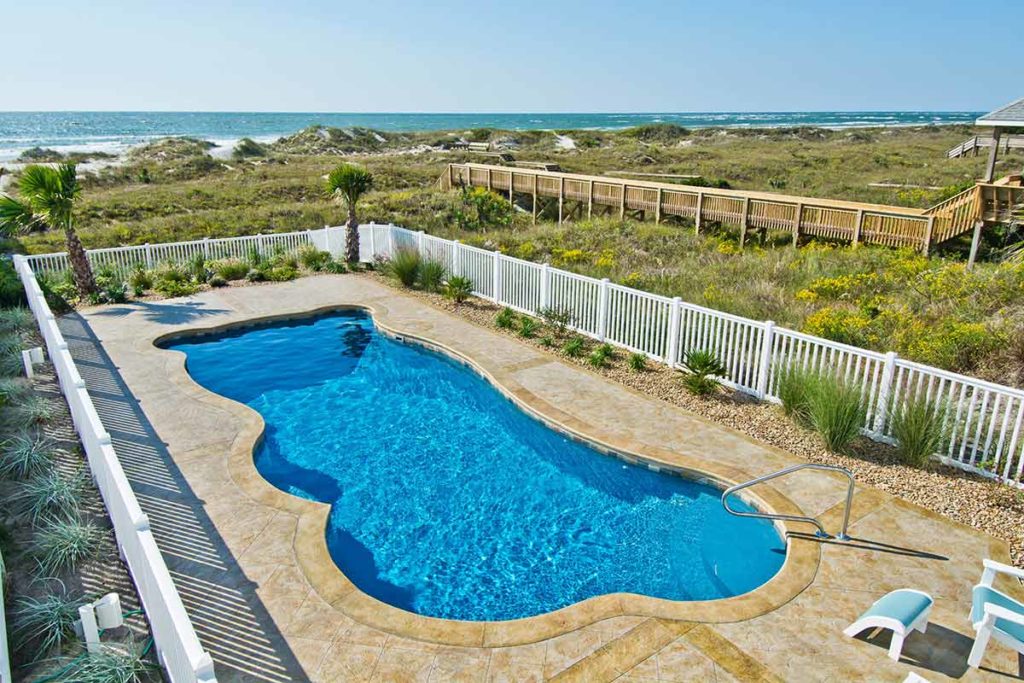
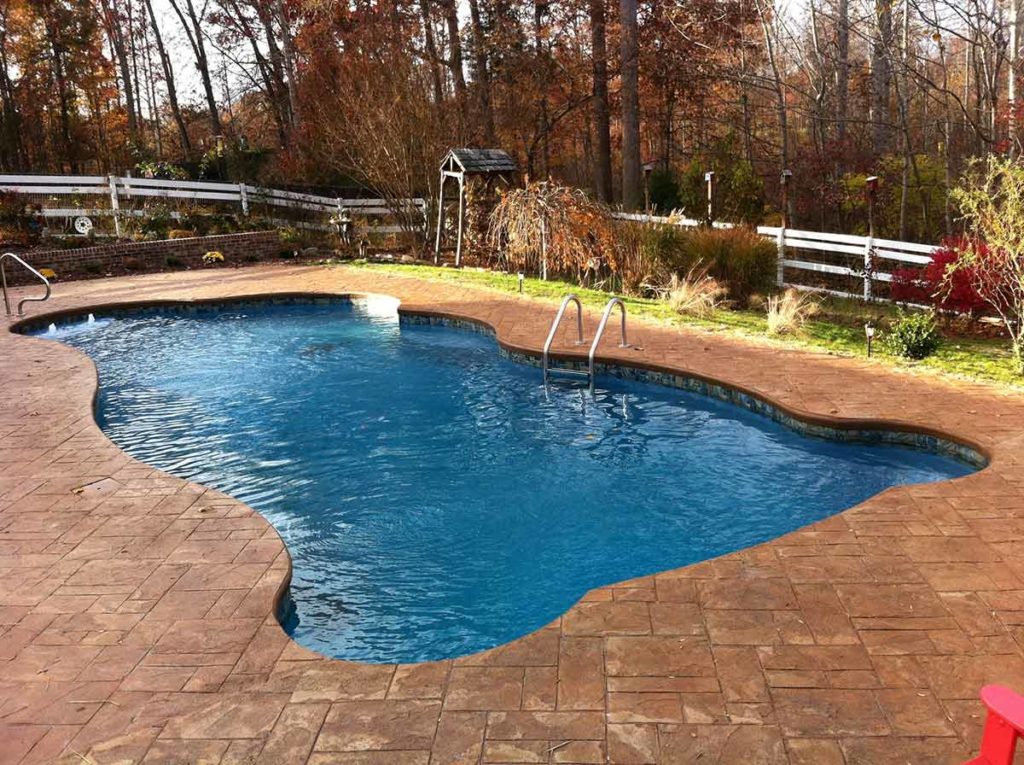
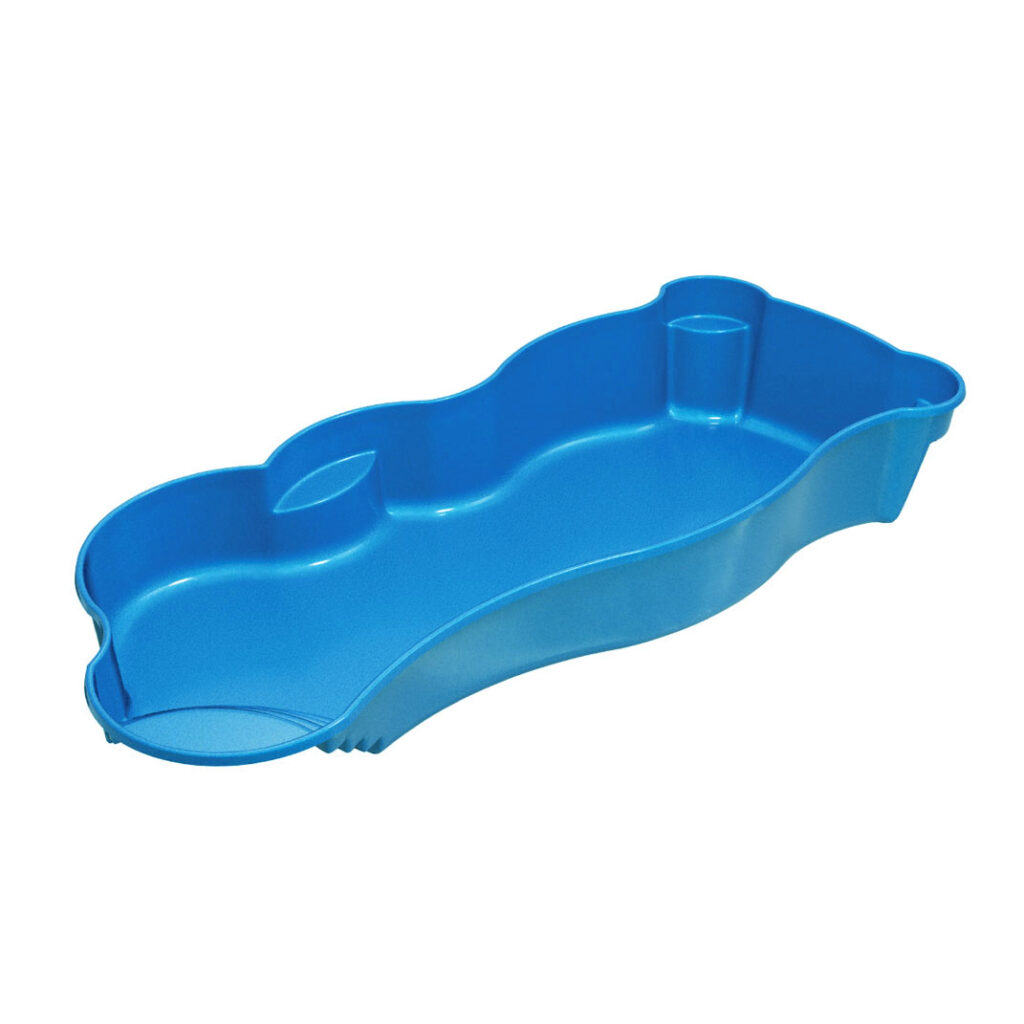
Fiberglass pools arrive as a pre-molded shell that gets set into the ground in one piece, then plumbed and finished. Think of it as a “built off-site” pool with a smooth, sealed interior surface.
✅ Pros of Fiberglass Pools
Fast installation timeline
Fiberglass can be installed much faster than concrete options because the shell is already manufactured. Once excavation is complete and access is clear, you’re not waiting on weeks of curing.
Low maintenance and easier chemistry
Fiberglass surfaces are non-porous, meaning fewer algae issues and less chemical demand over time. That translates to less scrubbing and fewer “why is it green again?” moments.
Smooth surface (comfortable on feet)
No rough plaster, no sharp edges. Great for kids, sensitive feet, and anyone who prefers a comfortable finish.
Durable and flexible
Fiberglass can “give” slightly with ground movement, which can help in freeze/thaw climates when installed properly.
Long-term cost predictability
You typically avoid major interior resurfacing costs that concrete pools require.
⚠️ Cons of Fiberglass Pools
Shape and size limitations
Fiberglass comes in pre-made models, so you can’t fully custom-design every curve, depth, or feature.
Access requirements
Because the shell arrives in one piece, your yard needs access for delivery and placement (sometimes involving a crane).
Upfront cost can be higher than vinyl
Fiberglass is often more expensive initially than vinyl liner pools, though it can pay back in lower maintenance and fewer surface repairs.
Finish changes over time
Modern finishes are strong, but like anything, they can fade or show wear after many years, especially with harsh chemicals or poor water balance.
Best for: homeowners who want a quick install, lower maintenance, and a long-lasting surface.

2) Vinyl Liner Pools: Budget-Friendly and Customizable
Vinyl liner pools use a steel/polymer framework and a custom-fitted vinyl liner. They’re popular for homeowners who want flexible sizing without the price of concrete.
✅ Pros of Vinyl Liner Pools
Lower initial cost
Vinyl liners are often the most affordable way to get a pool in the ground.
More design flexibility than fiberglass
You can customize length, width, and depth configurations more than you can with a one-piece fiberglass shell.
Smooth surface
Vinyl is comfortable on feet, similar to fiberglass in feel.
Quicker build than concrete
Not as fast as fiberglass in many cases, but generally faster than concrete/gunite builds.
⚠️ Cons of Vinyl Liner Pools
Liner replacement is inevitable
Most liners eventually need replacing (often every 7–12 years depending on care, sun exposure, and water chemistry).
Can be punctured or torn
Pets, sharp toys, and even certain cleaning tools can cause damage. Repairs are possible, but punctures happen.
Less “high-end” feel
Vinyl pools can be beautiful, but some homeowners prefer the look and prestige of fiberglass or concrete finishes.
Potential for wrinkles
Improper installation or groundwater issues can lead to wrinkles in the liner, which can trap dirt and be hard to clean.
Best for: homeowners who want a lower upfront cost and more custom sizing, and who don’t mind liner replacements down the road.

3) Concrete Pools (Poured Concrete): The Fully Custom Option (With More Maintenance)
Concrete pools are built entirely on-site. Depending on the builder and method, you may see poured concrete, shotcrete, or gunite (which we’ll cover next). Concrete pools are the “blank canvas” of the pool world.
✅ Pros of Concrete Pools
Fully custom shapes and depths
Want a vanishing edge, a tanning ledge shaped like a puzzle piece, or a pool that wraps around your patio? Concrete can do it.
Luxury finishes and features
Tile, stone, custom steps, beach entries, built-in benches, integrated spas. Concrete pools offer the most creative freedom.
Strong structural build
When engineered and built properly, concrete pools are incredibly solid and long-lasting.
⚠️ Cons of Concrete Pools
Longest installation timeline
Concrete takes time, and there are multiple phases: excavation, steel, plumbing, concrete application, curing, finishing, etc.
Higher long-term maintenance
Concrete is porous compared to fiberglass, which means algae can cling more easily and chemical demand can be higher.
Surface refinishing required
Plaster and interior finishes wear over time and will eventually need resurfacing.
More expensive upfront
Concrete pools typically come with a higher price tag due to labor, materials, and time.
Best for: homeowners who want total customization, premium features, and are okay with more maintenance and longer build times.
4) Gunite Pools: A Popular “Concrete Pool” Method (Highly Custom, Often Premium)
Gunite is essentially a type of concrete pool where a dry mix is sprayed through a hose and mixed with water at the nozzle as it’s applied. (Shotcrete is similar, but the mix is wet before it’s sprayed.) Both are common and used interchangeably in conversation, but builders may prefer one method.
✅ Pros of Gunite Pools
Maximum design freedom
Gunite can create complex shapes, deep ends, integrated spas, and detailed custom features.
Strong and durable structure
It’s built with rebar and thick concrete, making it one of the toughest pool structures.
High-end finishes available
Pebble finishes, polished finishes, tile, plaster, and custom inlays are common.
Resale value appeal
In some markets, gunite pools are seen as the “premium” in-ground option.
⚠️ Cons of Gunite Pools
Higher cost
Gunite is usually one of the most expensive pool types due to labor and materials.
Longer build and cure time
Gunite requires proper curing and multiple steps, which means longer overall timelines.
Maintenance and resurfacing
Like other concrete pools, gunite surfaces are porous and require more upkeep and eventual refinishing.
Risk depends heavily on contractor quality
A gunite pool can be amazing or a nightmare depending on proper engineering, installation, curing, and waterproofing.
Best for: homeowners who want a fully custom, high-end pool, and are willing to invest in premium build and ongoing maintenance.

Quick Comparison: Which Pool Type Fits You?
Choose Fiberglass if you want:
- Faster install
- Smooth surface
- Lower long-term maintenance
- Consistent costs over time
Choose Vinyl Liner if you want:
- Lower upfront cost
- Flexible sizing options
- Smooth feel
- You’re okay with liner replacement later
Choose Concrete if you want:
- True one-of-one design
- Custom shapes, depths, and finishes
- You don’t mind higher maintenance and longer timelines
Choose Gunite if you want:
- Premium customization and features
- High-end finishes and complex designs
- You’re ready for higher cost and long-term upkeep
Final Thoughts: The “Best” Pool Is the One That Fits Your Lifestyle
Choosing the Right Pool for Your Backyard
There’s no single “best” pool type. The right choice depends on:
- your backyard size and access
- how quickly you want to be swimming
- how much maintenance you want long term
- your budget today and over time
At Home Pro, we walk homeowners through each option honestly, so you know exactly what to expect before you build.
Ready to explore your options?
Schedule your free pool consultation today:
👉 https://link.townerstrategy.com/widget/bookings/donspoolcall