Pool Safety

A swimming pool is a fun and exciting addition to your backyard and can provide countless hours of entertainment for friends and family. It’s essential for pool owners to understand best practices and pool safety to help family members stay safe inside and outside of the pool. This pool safety guide will give you guidance on protecting your family from common swimming pool hazards.

Safety Is The Key

Smart pool owners always think safety first. They take specific steps to ensure that their family, friends and guests are aware of the safe, sensible use of the swimming pool. Responsible pool owners urge these people not to use the pool if they are under the influence of alcohol, drugs, stimulants or any other substance that might impair their judgement or physical abilities.
Talk with your Home Pro Independent Builder about installing additional safety devices like pool surface alarms, safety covers and child-safety barriers that meet your local building and safety codes and guidelines published by the Association of Pool and Spa Professionals. Safety ropes should always remain in place.

**Disclaimer: While Home Pro has decades of experience in the pool industry, we are not safety or legal experts and this blog is not intended as professional legal advice. The opinions and specifications are not Home Pro’s, but from pool safety websites and authorities. Please be sure to check your local laws and when in doubt, adhere to the most restrictive laws for your area.


How Do You Stay Safe in the Pool?

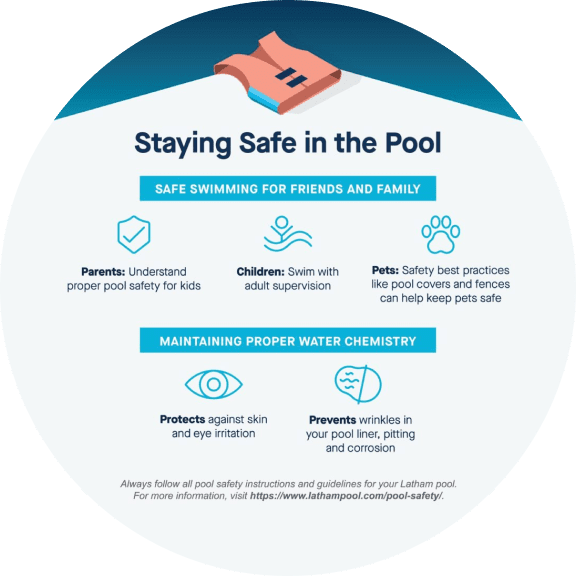
Staying safe in the pool requires a dedicated effort from pool owners and family members. Besides ensuring that pool users learn how to swim and conduct themselves in an appropriate manner, pool safety also involves maintaining proper water chemistry and following any rules and regulations for your particular location.
First and foremost, make sure that anyone who uses your pool knows how to swim. Children should not be permitted to use the pool without supervision and parents should understand proper pool safety for kids. Kids aren’t the only ones who are vulnerable around a swimming pool; you also want to follow best practices for pool safety for pets and make sure no one uses the pool alone if they’re not confident in their swimming ability.
Maintaining proper water chemistry is also important to keep family members and pool users safe and maximize the longevity of your swimming pool. When your pool water is out of balance, it can cause skin and eye irritation and lead to aesthetic issues like wrinkles in your pool liner and pitting and corrosion. Our water chemistry guide can help you maintain the proper water balance in your pool.
For more information on how to keep your friends and family safe in the pool, visit the National Drowning Prevention Alliance.

Are Automatic Pool Covers Safe?

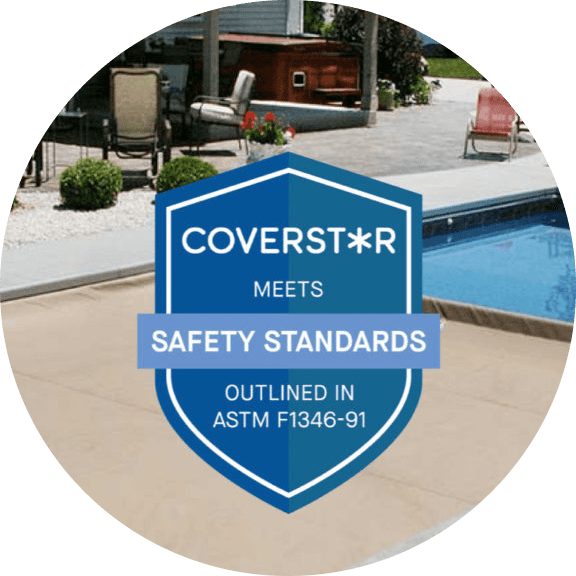
While it is always important to check local safety codes, there are a number of national and international groups that classify and certify automatic safety covers as a proper safety barrier. For example, under the 2015 version of the International Swimming Pool and Spa Code (ISPSC), an automatic safety cover that meets ASTM standard F 1346-91 can be used in lieu of a fence. Specifically Coverstar has been independently tested by Underwriters Laboratories and found to meet and exceed those standards.

Common Pool Safety Questions

Why is Pool Safety Important?
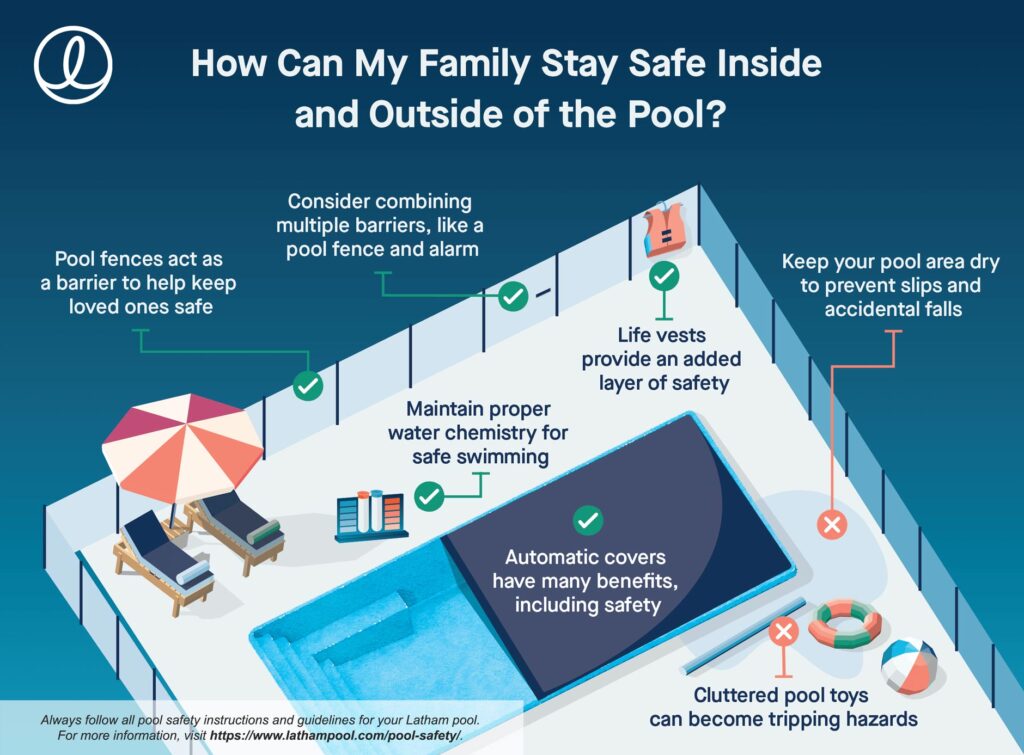
Pool safety is important to protect children, loved ones, friends and pets from potential injuries. Besides following recommended guidelines and drowning prevention best practices, using effective pool safety barriers (more on that below), you also want to ensure the area surrounding your pool is safe to prevent injuries and accidental falls. Keeping your pool area safe, dry, free from pool toys and clutter, and following proper pool safety rules and regulations can help you prevent common accidents.
How Do I Keep My Child Out of the Pool?

You can keep your child out of the pool by establishing strict rules and teaching them proper pool safety. Make sure they understand they are not permitted to use the pool without adult supervision. For younger kids, you may want to invest in a life vest for an added layer of safety.


Prepare for unexpected accidents by constructing a pool fence or installing a pool safety cover. An automatic safety cover opens and closes at the push of a button and will give you peace of mind that your loved ones will be safe and won’t enter the pool unattended.

Pool Safety Barriers

Pool safety barriers can help you keep loved ones and pets out of your pool. When it comes to pool safety options, there are several to choose from including pool safety fences, safety nets, pool covers and pool alarms. The best solution may be to combine multiple pool safety barriers, like a pool fence and alarm. This way you will have more than one level of defense to keep anyone or anything out of your pool without your supervision.

Make sure to check any Homeowner’s Association or safety regulations for your location, as this can determine which type of fence or safety equipment you can install around your pool.
Are Pool Fences Safe?
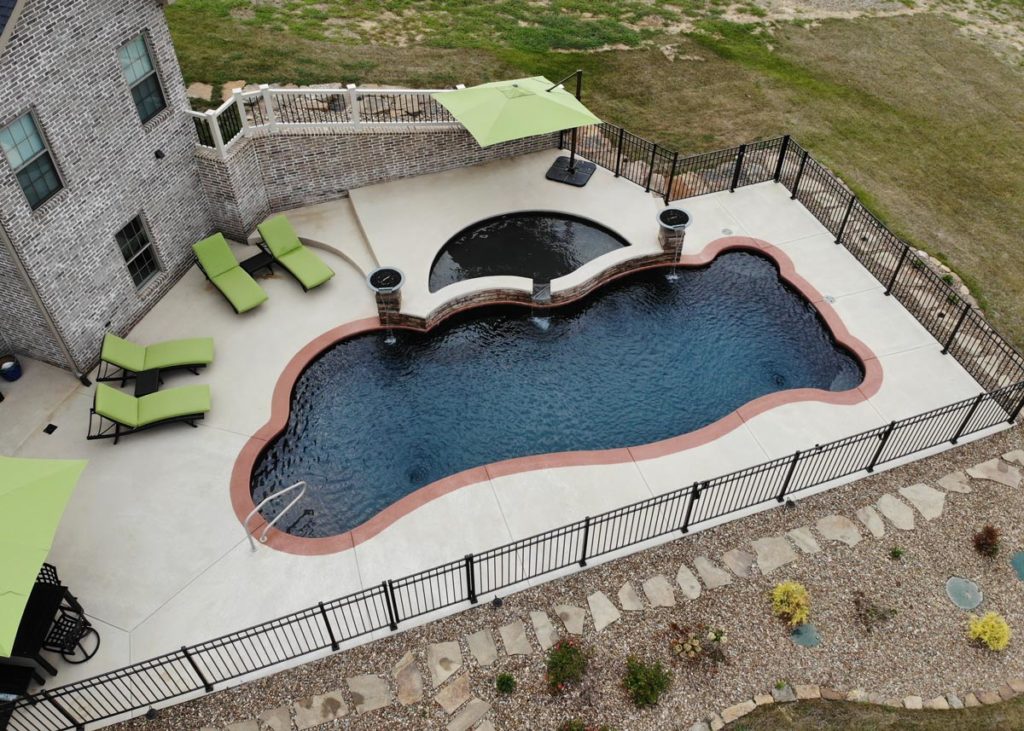
Pool fences can add an additional layer of safety, if they are used properly. Keep gates locked and make sure your fence is high and sturdy enough to keep kids from climbing over the fence to access your pool. Aluminum or mesh-panel fences are generally the safest, but again, check any specific requirements for your neighborhood or location to determine the best material and size specifications for your pool fence.
Are Pool Safety Nets Safe?
Pool safety nets stretch over the pool to prevent accidental falls. Although they can give pool owners peace of mind, pool covers are more sturdy and reliable in preventing accidents and falls. If you don’t have a pool cover or fence, you may want to consider a pool safety net as a temporary solution until you can upgrade your pool’s safety features.